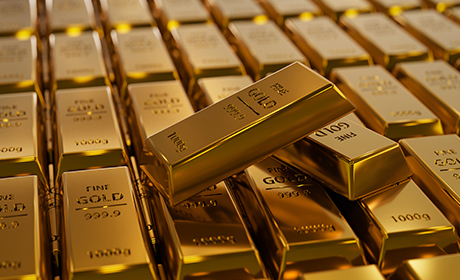
Typically, gold is seen as a hedge against market volatility and inflation, but these are not the only reasons why gold has been doing so well.
An early catalyst for its increased popularity happened in February 2022 just after the start of the Russia-Ukraine war. Following Russia’s invasion, the EU moved to freeze Russian central bank assets held in its jurisdictions – an amount estimated to be around US$300bn.
China responded to this by reducing its holdings of US Treasuries, assets which are often held within the US financial system, and buying gold, to be stored domestically. Since November, China has purchased 354 tonnes of gold, increasing its reserves by 18%.
Nervousness around asset freezes is not the only attraction of gold for central banks. Moves by the US to cut trade surpluses (the difference between what other countries sell to the US and what they buy from it) resulted in the ‘Liberation Day’ tariffs. Ultimately, the expectation is that the US will import less in the way of foreign goods. This means countries that have historically sold a lot to the US will hold fewer dollars, money which often found its way into Treasuries. These countries have had to find a different safe haven in times of global economic uncertainty, namely gold.