Why Iran matters to markets
The situation in Iran has brought geopolitical risk back into focus. In simple terms, this reflects uncertainty about how relations between countries could affect trade, energy supply, and wider economic stability. Unlike some earlier flashpoints, markets are not treating this as a brief or isolated event, which helps explain the recent volatility.
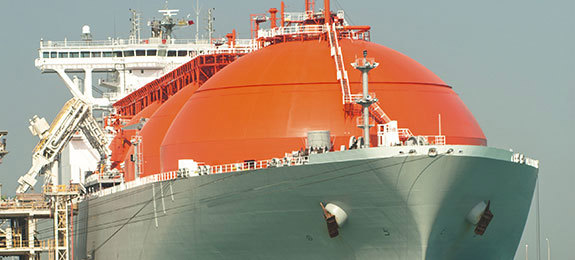
Iran’s significance lies less in the size of its domestic economy and more in its location. The Middle East contains several critical shipping routes, including the Strait of Hormuz, a narrow channel through which a significant share of the world’s oil and gas is transported. Even the possibility of disruption in these routes can unsettle markets, regardless of whether supplies are actually interrupted.
Energy prices and inflation concerns
Oil prices tend to attract the most attention, but gas prices are just as important, particularly in Europe. European gas prices have already risen sharply at a time when supplies are tighter than usual and reserves are relatively low.
For UK households, there is some near‑term protection. The April energy price cap has already been set, which limits how much suppliers can charge the average household. As a result, domestic energy bills are unlikely to rise immediately, even if wholesale prices increase. However, businesses do not benefit from the same protection and may feel higher costs sooner, which can feed through into the wider economy.
This matters because higher energy costs can add to inflationary pressure. If inflation remains elevated, interest rates are less likely to fall in the near term. That uncertainty, rather than any single headline, is a key reason markets have been more volatile.
What markets are not expecting
Despite disruption to shipping and strong political rhetoric, there are limits to how far the situation is expected to escalate. There has been no formal closure of major shipping routes, and doing so would risk drawing in a much broader international response.
There is also little evidence of appetite for a prolonged ground conflict. Political and practical constraints suggest efforts to limit both the scale and duration of military action, something markets often begin to recognise once the initial shock passes.
Volatility versus long‑term reality
Short‑term market movements can feel uncomfortable, particularly when they coincide with worrying headlines. However, markets have navigated wars, energy shocks, and geopolitical crises many times before. As uncertainty starts to narrow, markets often stabilise. For most investors, keeping a longer‑term perspective can help cut through the noise as events in the Middle East continue to unfold.