Escalation of events
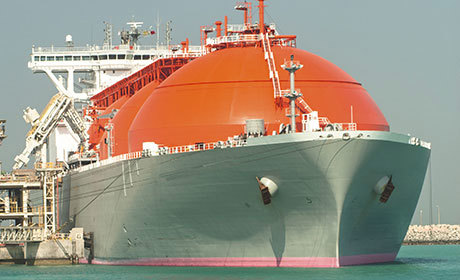
With events escalating in the Middle East once more, following attacks on both Iranian and Qatari gas fields, it is clearly taking longer than President Trump would have liked to fulfil his aims and does not seem to be leading to the popular uprising that he and Israel desired. The constantly shifting objectives of the campaign are not helping ascertain what will provide the off-ramp for Trump to be able to declare success. Even worse, it seems in the interests of Iran’s rulers to prolong the war rather than look for de-escalation. Energy prices have spiked once more and are risking becoming entrenched, even if some form of de-escalation can take place.
Market reaction
Equity market indices had been more sanguine than one would expect in this environment, although the dispersion of returns by sector is greater and volatility has certainly picked up. Indeed, recent moves suggest markets may be waking up to the fact that a prolonged energy crisis is now the more likely scenario. Bond markets have been quicker to price in inflationary risk with expected rate cuts being pushed back or entirely priced out.
Increased risks
This heightened level of volatility will likely be maintained given the uncertainty about the duration of the war or the endgame. If de-escalation were to start today, then energy prices would move lower. However, a return to pre-war levels would be unlikely as the impact on production ability and distribution is still significant. The attack on Qatar's Ras Laffan energy complex and the South Pars gas field in Iran significantly increases the risk of sustained higher energy prices. Also, the longer the blockade of the Strait of Hormuz continues, the greater the impact on other industries such as fertilisers and petrochemicals, which will lead to a more significant supply side shock.
Focus on diversification
In this environment it is critical that investors understand their exposure to the Middle East as well as what will perform well or badly with sustained higher oil prices and an equity market and bond market sell off. Our focus remains on broad diversification within equities and adding defensive assets, such as alternatives, to help portfolios adapt to changes in the outlook.