Search

Hot love on the Hormuz Highway

Date: 09 April 2026

4 minute read

Image of liquid gold being poured

Summary

The latest blog from CJ Cowan analyses the recent developments in the US-Iran conflict, the temporary ceasefire, its effects on global markets and future implications for investors and policymakers. It highlights the complexities and uncertainties surrounding the conflict’s progression and market responses.

The ceasefire that may or may not be

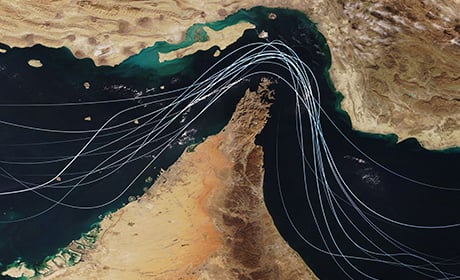
We rolled out of bed on Wednesday morning to the news that the US and Iran had agreed a two‑week ceasefire (albeit not between Israel and Lebanon, but it was enough to reopen the Straits of Hormuz and calm nerves about energy supply). Further comments from President Trump suggested the US had ‘won’ the war and Iran had largely agreed to his demands. This was quite the turnaround from a day earlier when he tweeted about ending a civilisation, sparking concerns he might be about to go nuclear. As I write, Israeli strikes on Lebanon have reportedly halted traffic through Hormuz again, but by the time you read this, the war may be back on, it may be over, or we may be somewhere in between.

Why now?

Military experts have pointed out that there may be few if any meaningful military targets left for the US to strike in Iran. If that is true, a US withdrawal starts to look more logical, even if conflict between Israel and Iran may continue. Perhaps more importantly, the domestic backdrop in the US matters too. An already unpopular war was becoming even less popular as petrol prices pushed above $4 per gallon. This is not a good look with the midterm elections later in the year and to the extent Trump’s about-turn was driven by politics at home, one would think this makes US withdrawal more likely to last, even if a deeper resolution is not reached.

What has happened in markets?

To start with, oil prices dropped back below $100/bbl but still finished Wednesday almost 60% higher than at the start of the year. Equity and bond markets have retraced roughly half of their losses since the conflict escalated and the areas that were hit hardest have rebounded the most. European and Asian equities have led, which fits with the original concern that energy importers would be most negatively affected. European government bonds have rallied strongly as well, partly reversing the rate hikes that had been priced on fears of an energy driven inflation spike.

Consider this your weekly reminder that guessing about geopolitics is usually ill advised. In the scenario of a prolonged war, European and Asian assets underperform badly. In the other scenario of a resolution, which hopefully we are moving towards, they lead. These market outcomes are almost mirror images, and not even Trump knows which scenario will play out.

Looking beyond the headlines

So while we would caution against playing headline bingo, a warning that is a running theme of these blog posts, there are some longer‑term implications worth thinking about regardless of how the next few weeks play out.

  1. Europe will need to spend more on defence and energy security. We already knew this though: European defence stocks have outperformed the broader European market by almost 140% since the start of 2022, but interestingly they have underperformed since the start of the Iran conflict. Perhaps the recent struggles are because the sector attracted excessive inflows during several strong years, or it could mean markets are not yet pricing in an additional European fiscal response that we think is likely. The energy sector is similarly tricky. Having outperformed the wider market by around 40% year to date, it is hard to see that kind of outperformance continuing in the near term purely on a ‘we need more energy investment’ story. The stocks may still go up, just probably not as much as areas that have been indiscriminately sold.
  2. Then there is AI, which everyone seems to have forgotten about. US earnings season is approaching, with around 12% yearly earnings growth expected. That doesn’t look crazy compared to earnings delivery in 2025, but expectations were much lower then so beating them was easier. It is beating consensus earnings estimates that drives stock prices higher, so, with a lot already expected, this feels like a precarious market setup. However, it is worth noting that reported earnings will mainly reflect a period before the conflict, and US companies are relatively insulated anyway given US energy security. Numbers should still be strong but guidance for future quarters will matter more.
  3. Finally, this episode reinforces a view some had started to doubt: Trump wants out of Iran, driven by domestic popularity concerns. Many argued all along he would back down as elections approached, though recent weeks shook confidence in that view and it was increasingly difficult to see how he would be able to dress it up as a victory. Recent events seem to re‑establish preparing for the midterms as a relevant factor when considering how Trump is likely to behave in the future.

What this means for advisers and investors

  • Don’t get drawn into making binary bets on headlines, no matter how tempting it may be
  • Be careful chasing the most obvious narratives if they have already moved markets
  • Manage risks and be ready to take positions when markets price in overly extreme outcomes

Geopolitics will keep generating noise. Our job is to stop that noise from driving poor long‑term investment decisions.


CJ Cowan

Portfolio Manager

CJ is a portfolio manager of the Quilter Investors Cirilium and Monthly Income Portfolios. CJ joined Quilter Investors in August 2018 from Aberdeen Standard Investments where he worked in the global macro team, managing global government bond and global aggregate portfolios.

CJ is a CFA charterholder and has also completed the Chartered Alternative Investment Analyst qualification. CJ has a degree in economics from the University of Bristol and an MPhil in Economic and Social History from Brasenose College, University of Oxford.